
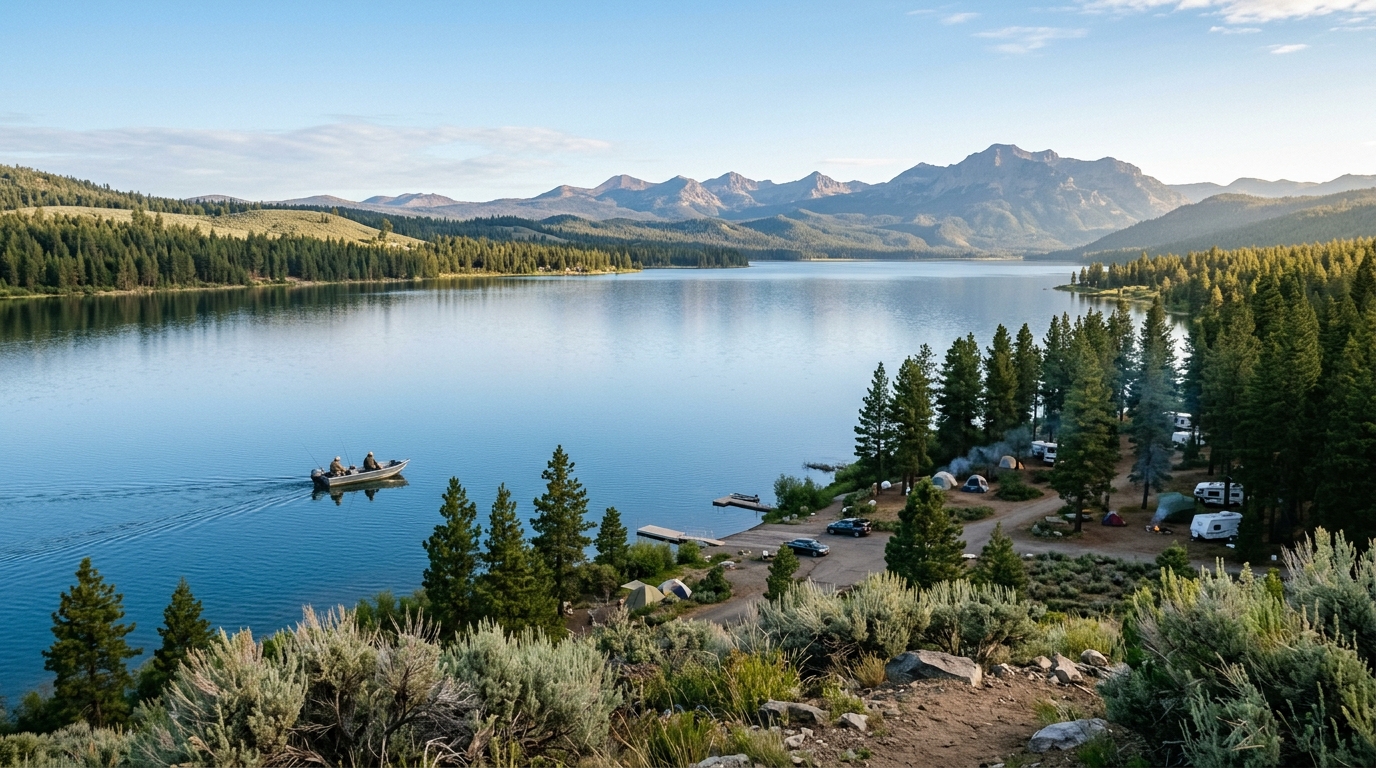
Summer 2026 has also brought renewed attention to Eagle Lake’s native rainbow trout. In May, the California Department of Fish and Wildlife reported that crews returned approximately 5,800 adult Eagle Lake rainbow trout to the lake after the fish became stranded in Pine Creek. The agency also confirmed that the 2026 trout season opened on May 23 with special limits for Eagle Lake. That conservation story is a reminder that recreation and responsible stewardship are closely connected here.
This guide focuses on practical trip planning rather than live conditions. Campground availability, fire restrictions, boat-launch access, weather, smoke, lake levels, and operating hours can change. Check the relevant Forest Service, Recreation.gov, marina, and California fishing pages shortly before leaving.
Plan Your Eagle Lake Summer Visit
The easiest place for first-time visitors to begin is the Eagle Lake Recreation Area on the south shore. It includes five campgrounds, three designated day-use areas, a marina, and a paved route connecting major facilities. From Susanville, allow time for fuel, food, and final supplies. Review the Susanville community page before leaving town, especially when you need services or a backup activity.
Choose the Right Campground or Day-Use Base
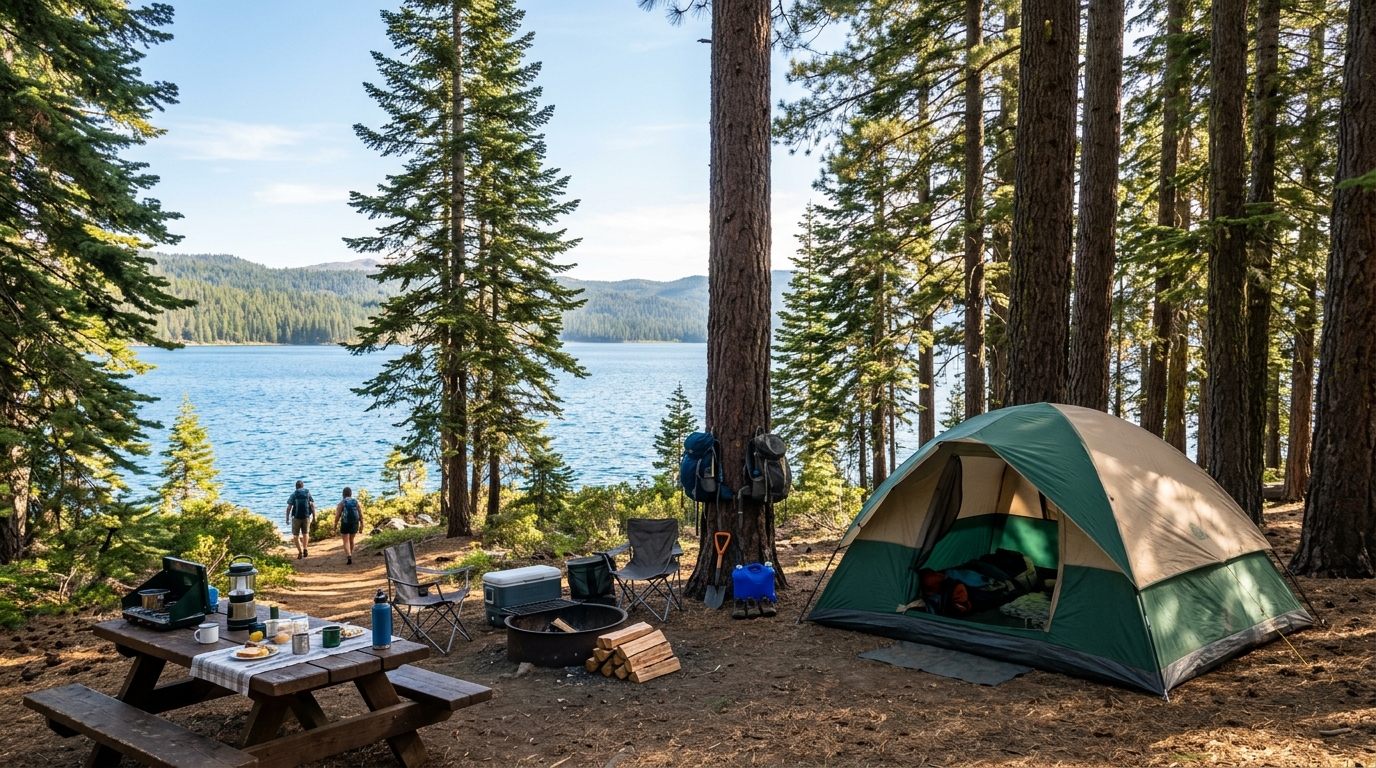
The campground that looks best on a map may not be the best match for your group. Think about whether you need RV access, electrical hookups, a quieter tent setting, quick marina access, a swimming beach, or room for a larger group. Check exact site dimensions and restrictions before reserving because equipment rules differ by campground and even by individual site.
Which Eagle Lake Campground Fits Your Trip?
Eagle Campground is a practical option for travelers who want to stay relatively close to the marina and boat launch. Forest Service information describes it as the closest recreation-area campground to the marina that accommodates RV and trailer sites. It also has tall pine shade, reservable and walk-in sites, group options, and limited sites with electric and water hookups.
Merrill Campground is a large, varied choice with reservable and walk-in sites plus access to the paved bike path. It suits visitors who want a developed campground with many site options. Check Recreation.gov rather than assuming a weekend site is available.
Aspen Grove Campground is the better fit for a tent-focused trip. It is designated for tents, and camping vehicles and generators are not allowed inside the campground. Its location near Gallatin Beach is a major advantage for families who want swimming and shoreline time. Wheelbarrows are provided to help move camping equipment from the parking area to the sites.
Christie Campground is farther from the marina and often appeals to visitors who prefer a quieter setting. West Eagle Campground provides another forested base with trail and lake access. Compare operating status, fees, water availability, and reservation rules before choosing.
Gallatin Beach and the South Shore Trail
For a day trip, Gallatin Beach is the clearest family-oriented swimming option. The Forest Service identifies it as a day-use area near Aspen Grove that supports swimming, sunbathing, and sand play. There is no lifeguard, so adults must actively supervise children and weaker swimmers. Dogs are not permitted in the beach area, and visitors should confirm the current season and operating hours before arrival.
The paved south-shore route offers an easy alternative to a remote hike. It connects the main facilities and works well for casual cycling, morning walks, birdwatching, and moving between recreation sites. Carry water and sun protection because shade and exposure vary.
Browse the site’s parks section and Outdoor Recreation articles for more options that can be combined with an Eagle Lake stay.
Make the Most of a Day or Camping Trip
A successful lake trip usually includes one primary activity and one flexible secondary activity. Boaters may plan an early launch and keep the beach or paved trail as an afternoon option. Families may swim in the morning, picnic at midday, and take a short sunset walk. Campers can dedicate one day to the water and another to Susanville, the Bizz Johnson Trail, or other Lassen County attractions.
Plan Boating, Fishing and Swimming Safely
Conditions on a large lake can change quickly. Wind can increase wave action, thunderstorms can bring lightning and gusts, and smoke may reduce visibility. Check the forecast, observe the water before launching, and be prepared to shorten the outing. Every passenger needs an appropriate personal flotation device, and children require continuous supervision near water.
Boating and Marina Preparation
Gallatin Marina provides the main developed boating services in the recreation area. Forest Service information lists boat and fishing-equipment rentals, boat storage, slips, fuel, showers, laundry facilities, supplies, and a launch. Services can change by season or operator, so confirm rental availability, fuel, launch conditions, and operating hours before depending on them.
Inspect the drain plug, battery, fuel, lights, anchor, and safety gear before traveling. Clean, drain, and dry watercraft to reduce the spread of invasive species. Kayakers and paddleboarders should watch the wind and avoid moving so far from shore that the return becomes unsafe.
Fishing Rules and the Eagle Lake Rainbow Trout
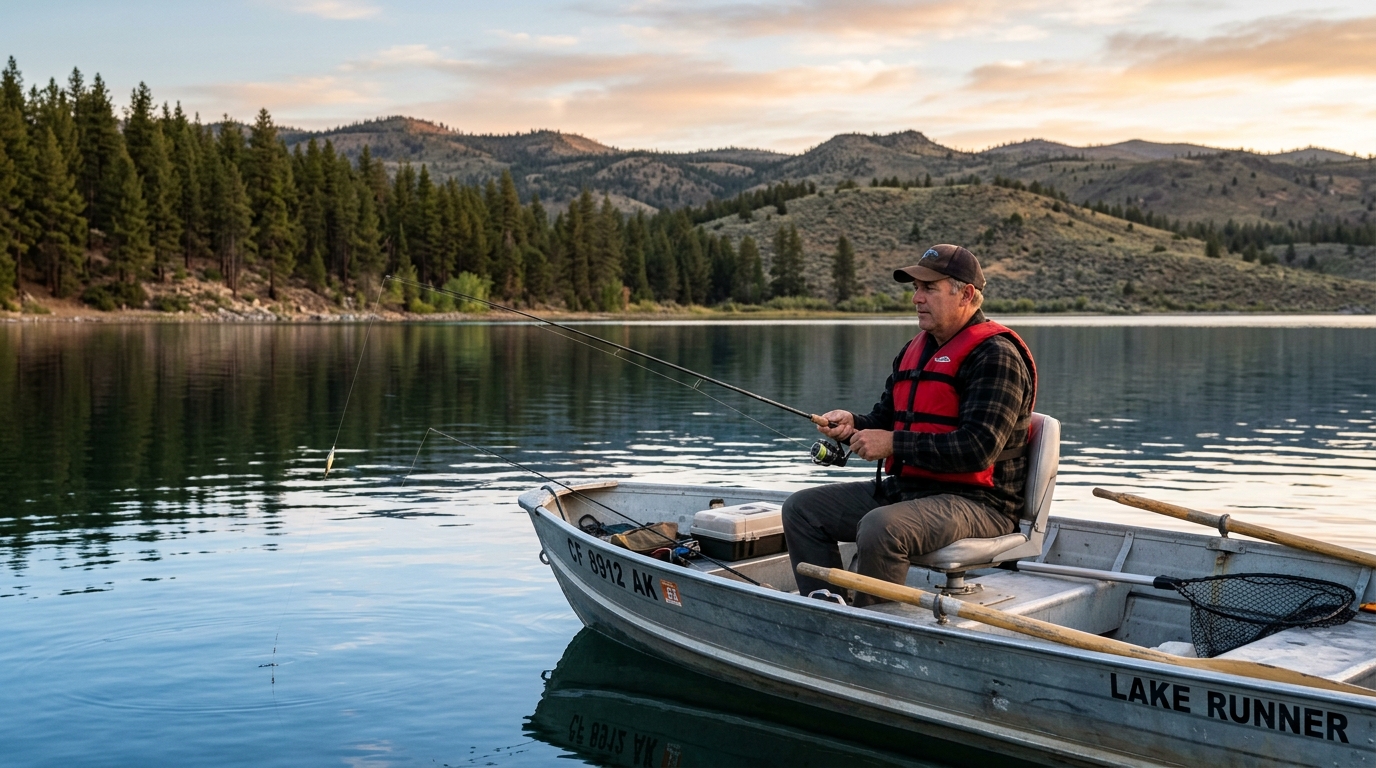
Eagle Lake is nationally known among anglers for its distinctive rainbow trout. The fish is native to the Eagle Lake watershed and is considered a California Species of Special Concern. Its ability to tolerate the lake’s alkaline conditions makes it closely tied to this specific environment. That uniqueness is one reason anglers should treat regulations, handling, and habitat protection seriously.
For 2026, CDFW announced that Eagle Lake opened to trout fishing on May 23 with a two-fish daily limit and a four-fish possession limit. Regulations can be amended, and rules may differ for tributaries or particular seasons, so check the current California Freshwater Sport Fishing Regulations and the agency’s Eagle Lake information before casting. Obtain the required license, know how to identify your catch, and never rely on an old screenshot of regulations.
Weather and season influence fish location and effective techniques. Review current agency information, adapt to wind and water conditions, and dispose of fishing line properly because it can injure wildlife.
Build a Flexible Eagle Lake Itinerary
For a simple day trip, arrive early, walk or cycle a section of the south-shore route, picnic, and use Gallatin Beach when conditions are suitable. A boating day should begin with an equipment and weather check, followed by an early launch before stronger afternoon winds. Campers can divide activities across several days and avoid trying to fit fishing, swimming, cycling, and sightseeing into one rushed schedule.
Keep at least one land-based alternative. If wind makes boating uncomfortable, explore a paved trail, visit a viewpoint, return to Susanville, or shift to a local history stop. Read the Lassen County summer wildfire safety guide before traveling during dry weather, and use the Bizz Johnson Trail guide when planning a second outdoor day.
- Reserve campsites early and verify equipment-length restrictions.
- Check campground, beach, marina, launch, fire, smoke, and weather conditions.
- Bring drinking water, sun protection, warm layers, food, and insect protection.
- Carry approved flotation devices and supervise children near water.
- Confirm current fishing licenses, season dates, and special limits.
- Clean, drain, and dry boats and fishing equipment.
- Store food securely and keep a clean campsite.
- Use established fire rings only when fires are permitted.
- Pack out rubbish, fishing line, and pet waste.
- Keep a backup plan for wind, smoke, storms, or closures.
The Lassen National Forest Eagle Lake Ranger District page is the best starting point for official recreation information. Anglers should also review the California Department of Fish and Wildlife’s Eagle Lake rainbow trout page and current freshwater regulations.
Eagle Lake rewards travelers who slow down and plan around the landscape rather than forcing a crowded schedule. Choose the campground or day-use area that matches your group, prepare carefully for the water, respect fishing and fire rules, and leave enough flexibility to respond to wind, weather, and changing conditions. That approach creates a safer visit and helps protect one of Lassen County’s most important natural places.